


Buildcost Chartered Quantity Surveyors’ Ireland’s Deep Retrofit Report 2026, launched at an industry briefing with Bannon and Evia, finds that only 3% of Irish office buildings currently hold an A BER rating. It also finds that a deep retrofit costing approximately €15 million, including CAT A fit out works, can deliver an A3-rated office within 18 to 24 months. For fit out companies in Ireland, that finding places a commercial fit out commission at the centre of the upgrade case for existing office stock.
Deep retrofit is a design and build discipline that the fit out industry already understands. The report identifies fabric upgrades as the largest cost component, while the CAT A package of raised access flooring, ceilings, lighting, fire detection, and services coordination completes the interior. Fit out contractors that can deliver this package inside an occupied building will serve owners seeking to upgrade rather than redevelop.
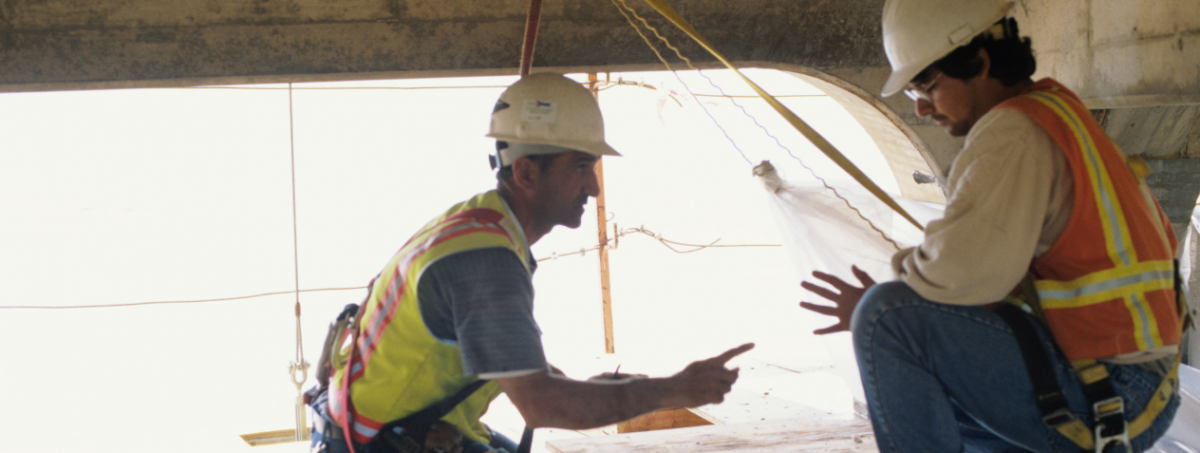
The report’s live case study demonstrates the model. The Observatory on Sir John Rogerson’s Quay, a six-storey waterfront office, was upgraded from BER C2 to B2 while remaining partially occupied throughout construction. Delivering interior architecture, services, and finishes around working tenants requires phased programming, noise and dust control, and close client coordination. These are established strengths of experienced office refurbishment teams, and they are now a visible differentiator in competitive tenders.
The regulatory direction supports sustained demand. SEAI’s national plan for decarbonisation sets a 2030 target for 30% of commercial buildings to achieve a BER of B or higher, and the revised EPBD introduces minimum energy performance standards for non-residential buildings. Owners planning for those standards are building retrofit programmes into their capital plans, creating a clear forward schedule of commercial interiors work for fit out contractors to prepare for.
The investment case is equally clear. Savills Ireland research confirms that ESG-accredited buildings command rental premiums of up to 25%, and CBRE Ireland’s outlook confirms prime rents rising 8% in 2026 with Grade A supply constrained. Against that backdrop, upgrading an existing asset to a higher BER and a higher workplace design standard is a commercially rational response, and the interior fit out is the visible expression of that upgrade to tenants.
Three actions position fit out companies to lead this pipeline. First, develop an occupied refurbishment methodology covering phasing, tenant liaison, and out-of-hours working that can be evidenced in tender submissions. Second, build relationships with the quantity surveyors, developers, and asset managers who commission deep retrofit, as the Buildcost briefing shows these advisers shape scope early. Third, pursue BREEAM Refurbishment and Fit Out accreditation, giving owners a recognised certification pathway for the interior works within a retrofit programme.
Deep retrofit is emerging as the practical route to ESG-ready offices, and its commercial interiors scope is substantial. Fit out companies that combine occupied delivery experience with commercial interior design and certification capability will find a pipeline that grows as energy standards tighten. The built environment will be upgraded largely from within, and the fit out sector is positioned to deliver that work with confidence and quality.

























.png)

